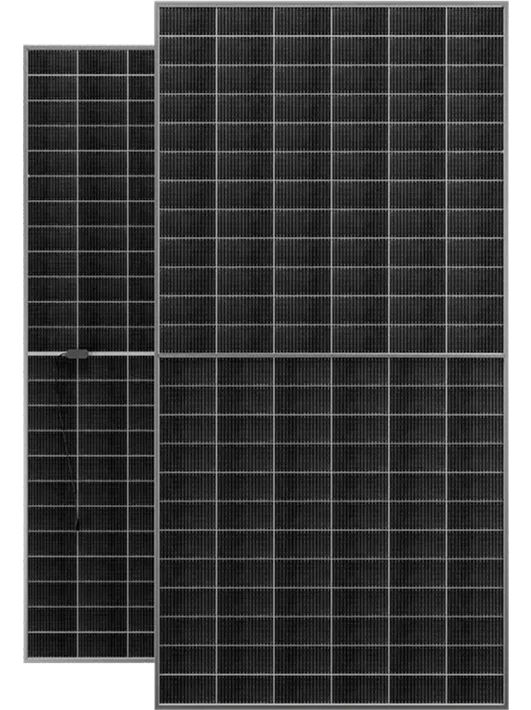

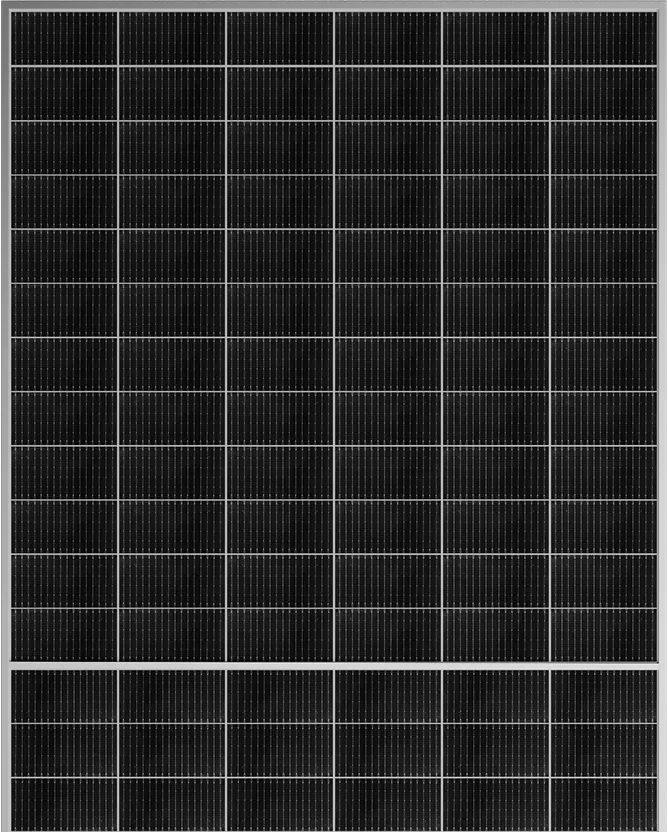
Hyper Nova N

N – TOPCON Glass to Glass Bifacial – 16BB

600+W

Efficiency up to >23.25%

0~+4.99W

Power Tolerance

Header Image

Hyper Nova uses half-cut Mono PERC cells, delivering sector-leading 550Wp wattage and up to 21.50% efficiency.

Sun Icon
Introducing Solar Image

🌞 Introducing HyperNova N

High-Efficiency Solar
Modules for Reliable Power.

Hyper Nova panels ensure maximum energy even in low light, using 182mm-10BB Mono PERC and half-cut cells for consistent, reliable power in any weather.

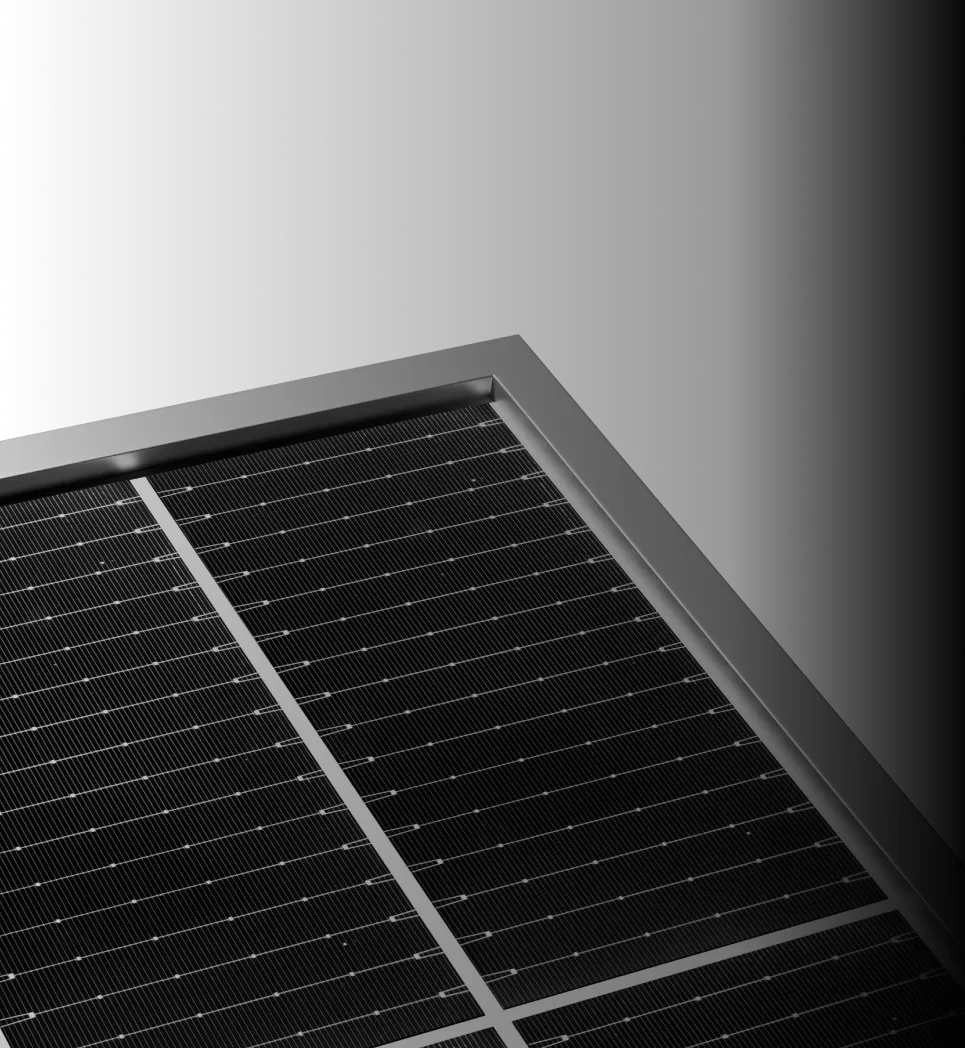
Half Cut Cell Design

Half Cut Cell Design
with Multi Bus Bar Technology

High Power Generation

High Power Generation

Excellent Weak Light Performance

Excellent Weak Light Performance

Lower LCOE & BOS

Lower LCOE & BOS

Hyper Nova N solar panel bifaciality diagram

🌱 Better Bifaciality

Solar PV Modules Built for
Long-Term Performance

Hyper Nova panels are engineered for endurance. Designed to withstand extreme weather and the passage of time, each module undergoes rigorous testing to ensure lasting reliability and stable performance.

Low LID

Low LID

Bifaciality Factor

Bifaciality Factor of
80 ± 5%

Mechanical Load

Enhanced Mechanical
Load Capaciity

Better Temperature Co-efficient
Better Temperature
Co-efficient

🌞 All-Weather Reliability

PV Module Performance for
All Weather Reliability

Product Image

⚡️ Common questions

Hyper Nova N (600+W) FAQs

Hyper Nova N uses N-Type TOPCon cells with 16BB busbar technology in a glass-to-glass bifacial construction, reaching 600+W at over 23.25% module efficiency.

The module has a bifaciality factor of 80 ± 5%, so the rear side contributes a substantial share of additional energy from reflected light on top of front-side generation.

Yes — it's designed for summer heat, monsoon rains and winter chill, with enhanced mechanical load capacity for sites facing higher wind or snow load.

It ships with a positive-only power tolerance of 0~+4.99W, so modules perform at or above their rated output rather than below it.

Its higher wattage per panel and bifacial gain both work toward a lower LCOE (levelized cost of energy) and lower balance-of-system cost, since fewer panels are needed to reach a given system size.