☀️ R&D
Latest Solar Panel Technology
for a Smarter Future
🌿 Credence R&D
Engineering the Future of
Solar Panel Technology
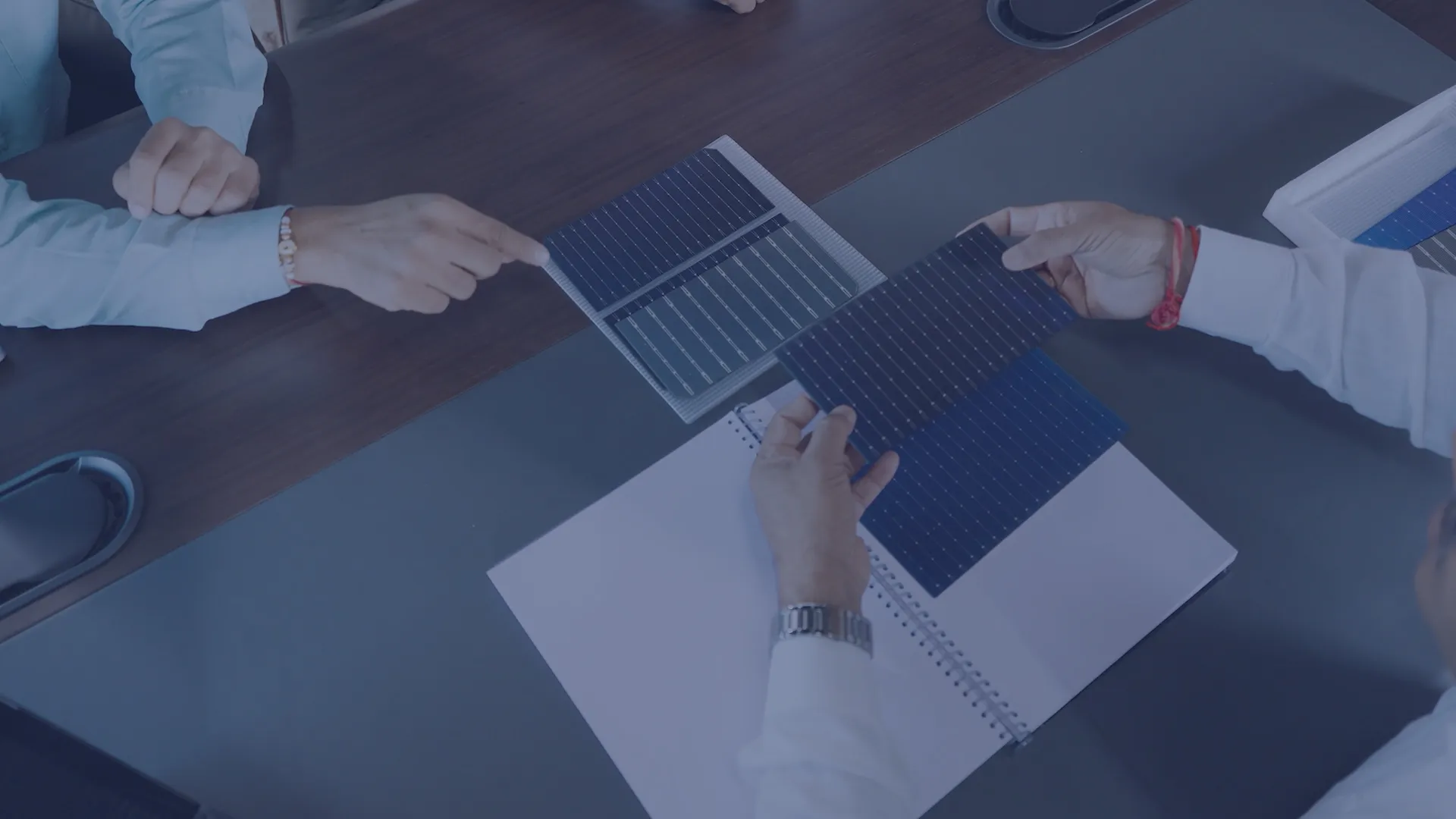
Credence Solar’s R&D division is dedicated to advancing solar technology, delivering smarter, efficient and sustainable energy solutions.
State of the art
facility (India)
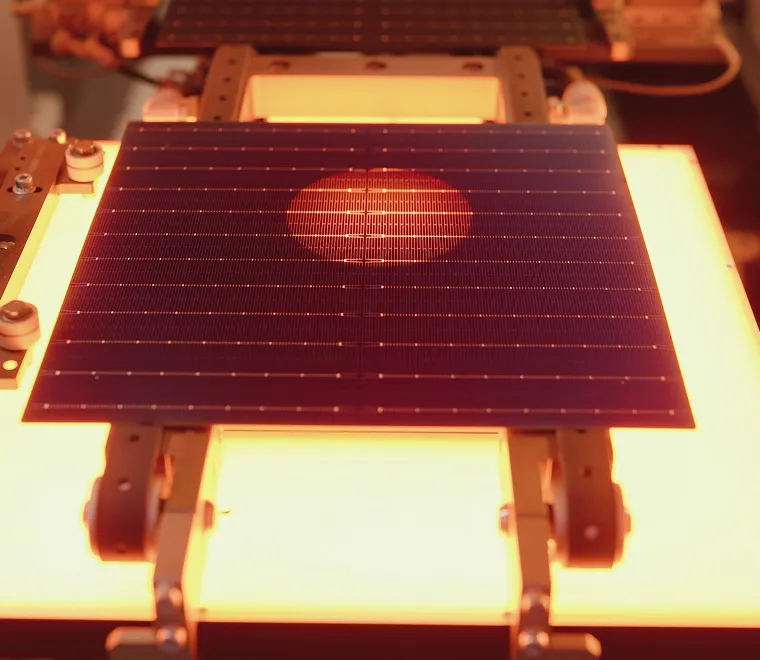
TOPCon Technology for
Superior Efficiency
Approved
Pan India Presence

Innovation
Advanced Solar Technologies

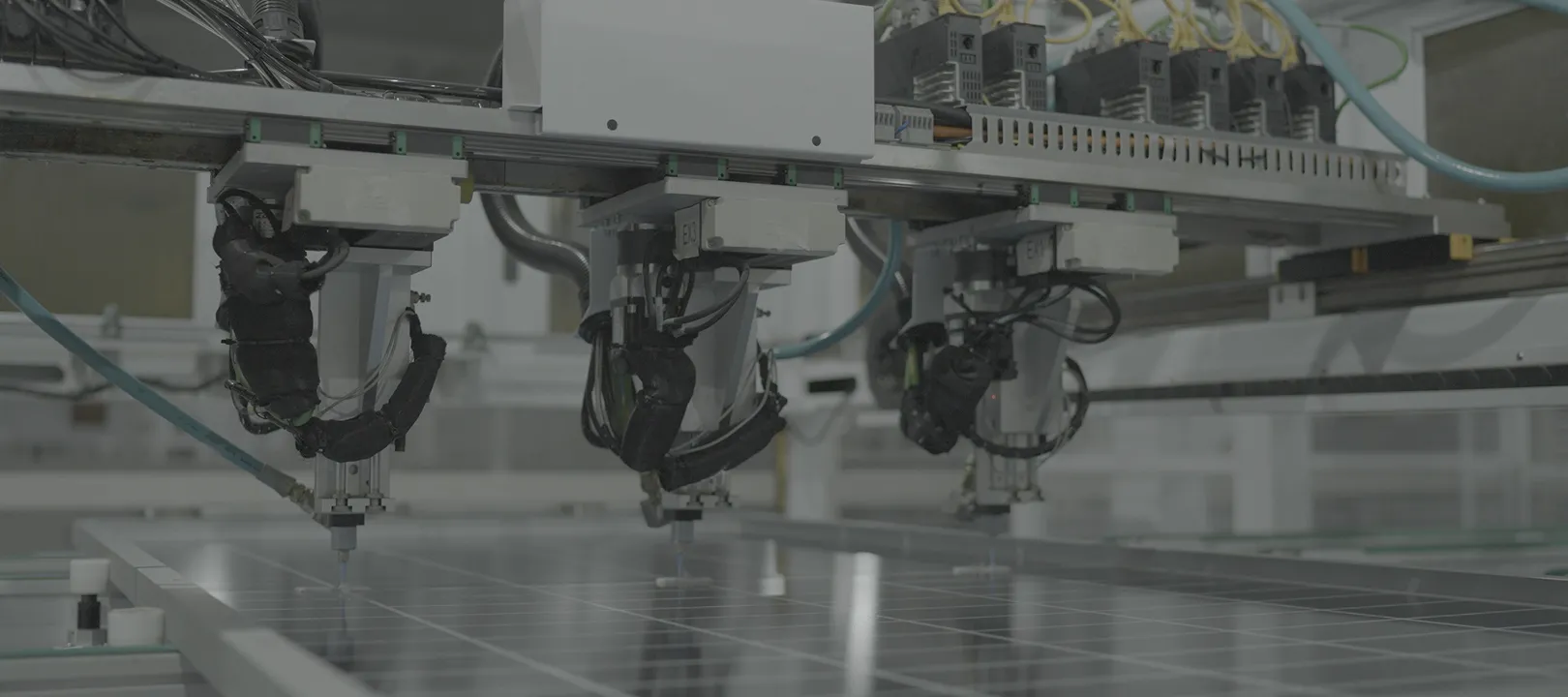
High-efficiency Super Nova, Hyper Nova, TOPCon and bifacial modules deliver maximum power output with proven reliability.

Advancement
Performance Innovation
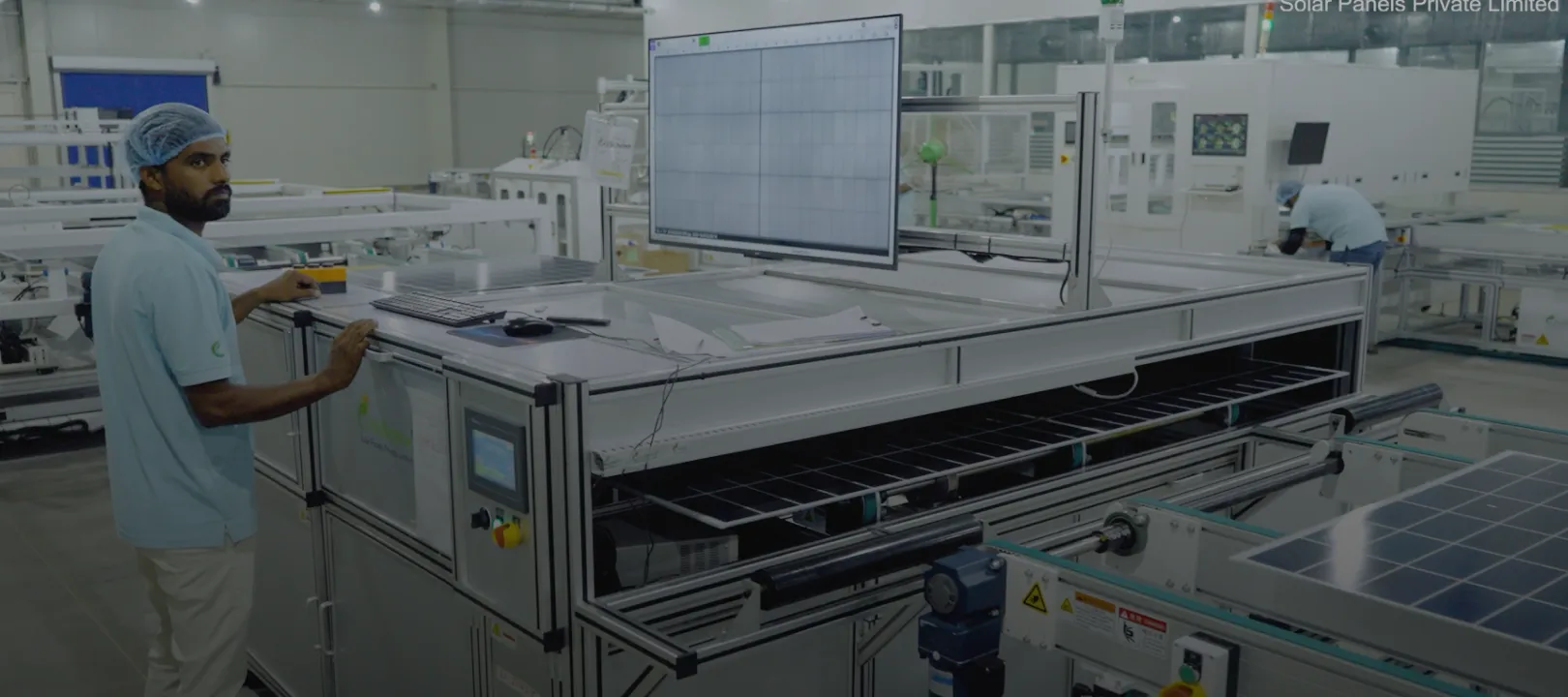
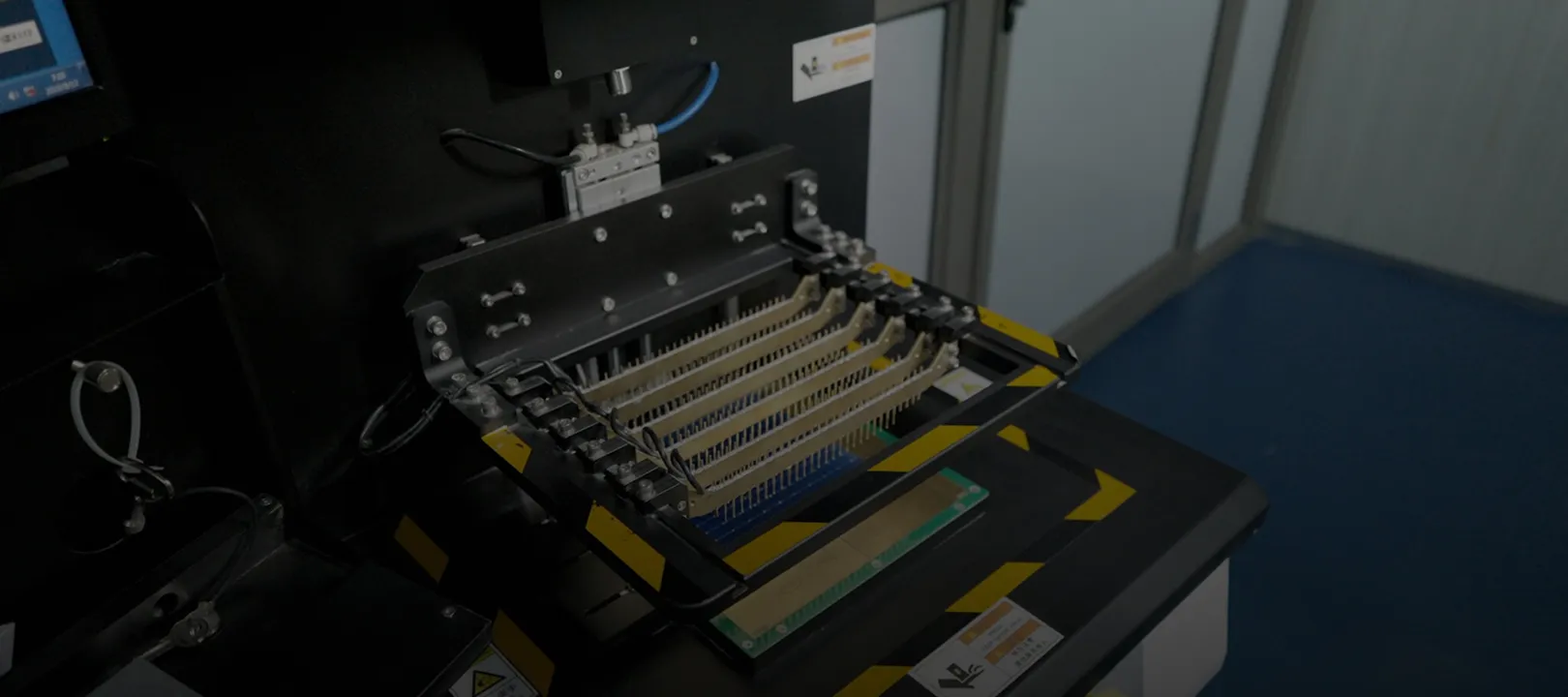
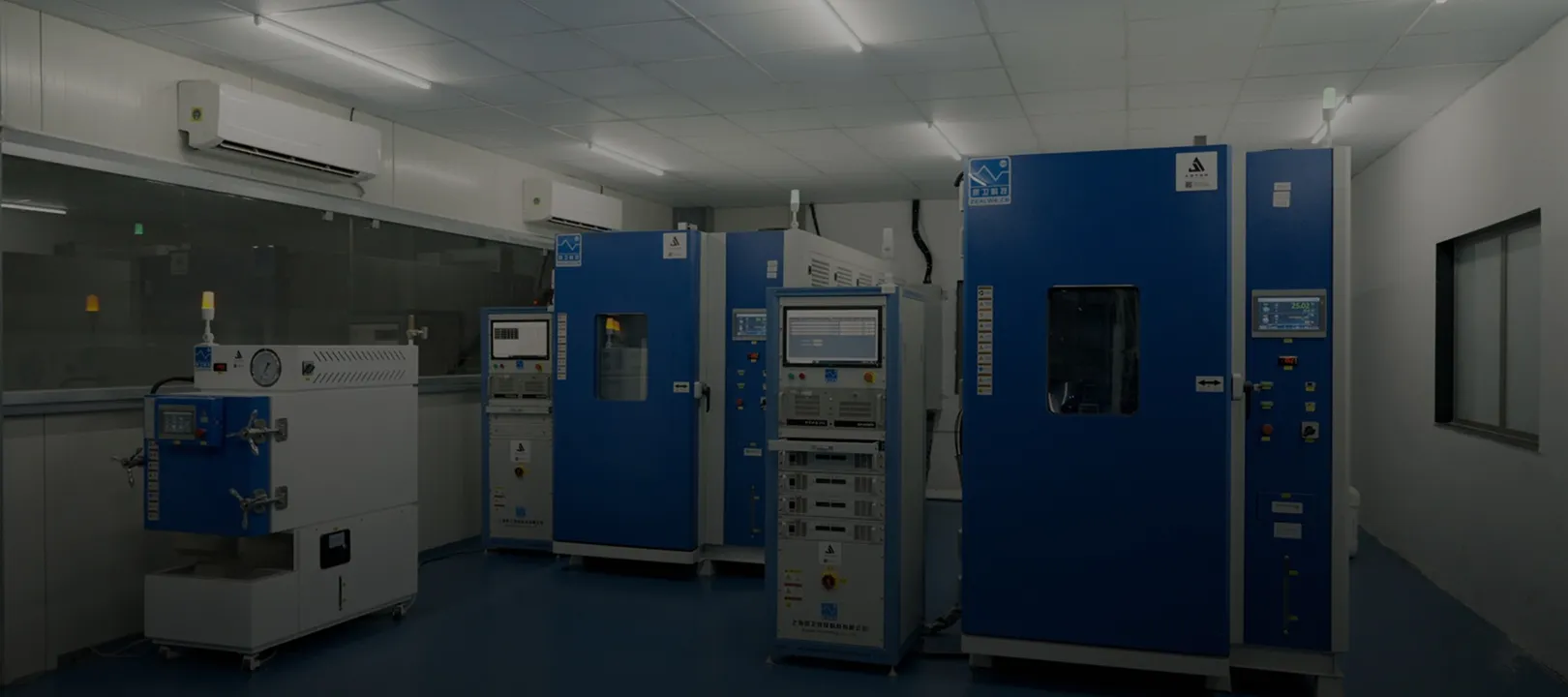
Modules are tested under real-world conditions for consistent performance across diverse climates.

Sustainability
Sustainability & Longevity
Designed for 25+ years, our eco-friendly, RoHS-compliant modules minimize environmental impact while ensuring long-term reliability.

Partnership
Future-Focused R&D
Partnering with global experts and institutions, we continually push solar innovation for smarter, stronger and more accessible renewable energy.
Frequently Asked Questions
The main types of solar modules are Mono PERC, N Type TOPCon, and bifacial construction. Credence Solar manufactures all three across its Quasar, Quasar N, Quasar Bi, and Hyper Nova N lines.
The latest solar panel technology in Credence Solar's lineup is N Type TOPCon bifacial construction, which reduces electron recombination losses and pushes module efficiency up to 24.00 percent on the Quasar N line.
Credence Solar's R&D team focuses on high efficiency TOPCon and bifacial module design, validated through real world testing across diverse climates rather than lab conditions alone.
TOPCon stands for Tunnel Oxide Passivated Contact, an N Type cell technology that reduces electron recombination losses compared with older P Type designs.
Mono PERC uses a passivated emitter and rear cell structure with a lower cost per watt, while TOPCon adds a tunnel oxide layer that improves efficiency, reduces degradation, and performs better in heat and weak light. Credence Solar manufactures both technologies.
The future of the solar industry points toward higher efficiency N Type cells, larger format wafers, and bifacial designs that lower the cost per watt generated, a direction Credence Solar's product roadmap already reflects.
Yes, Credence Solar states a presence across 28 states and tests modules under real world conditions to confirm consistent performance across diverse climates rather than relying on lab data alone.